


> INSTRUMENTS FOR VETERINARY MEDICINE
KIT 1592
Veterinary Basic Extraction Dog FG
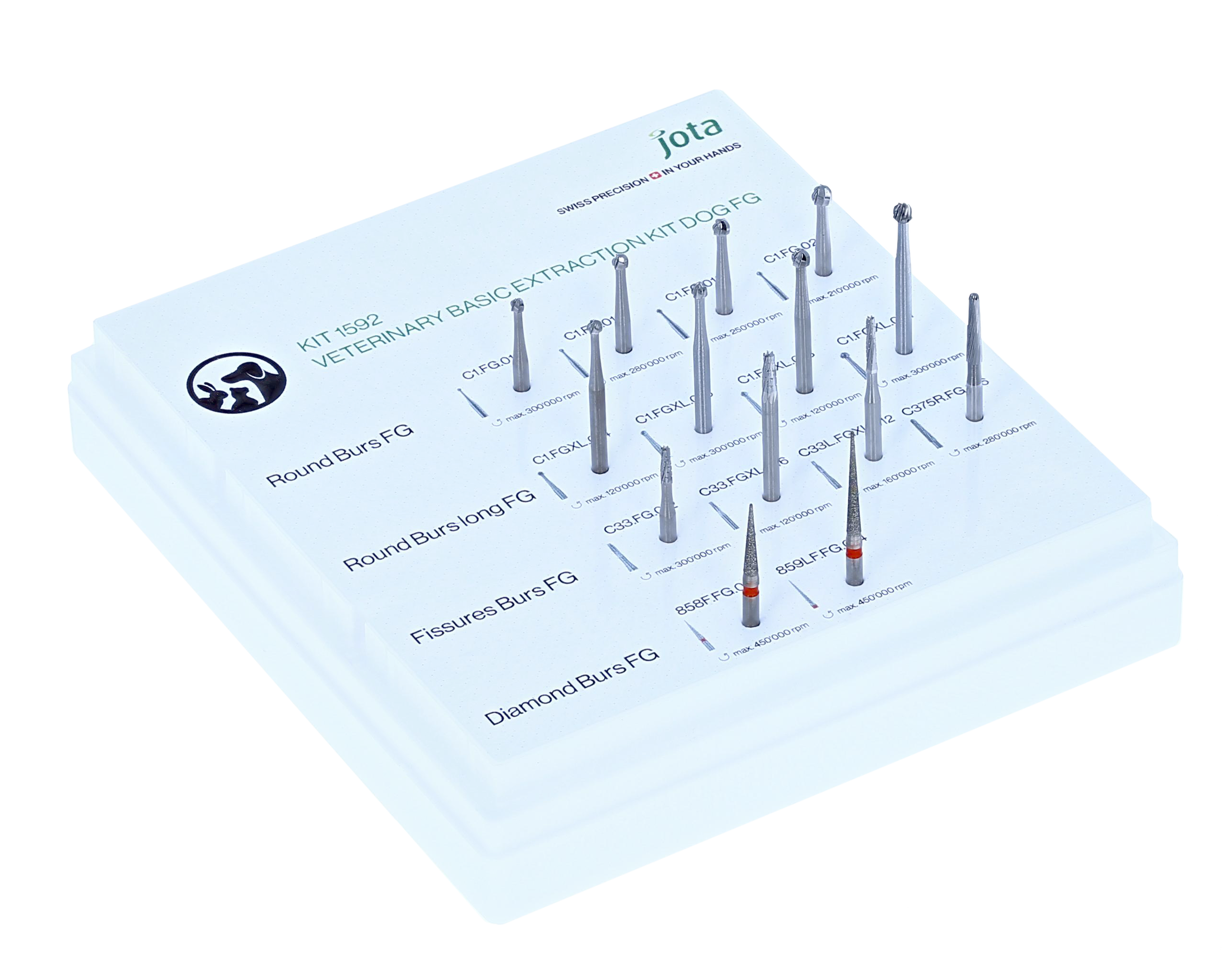
The anatomy of canine patiens requires specialized solutions:
The problem of depth:
• Large breed dogs have long tooth roots:
Conventional burs are often too short. The handpiece collides with the tooth crown and gingiva, posing a risk of collateral injuries to soft tissues.
• The size of the crowns:
The big premolar and molar teeth have massive crowns. The working ends of standard drills are not long enough. During sectioning they generate dangerous heat and may stuck or break off. Long cutting heads and additional cross cuts avoid those complications and speed up the procedure.
Our solution:
The JOTA Kit 1592 Veterinary Basic Extraction Dog FG combines uncompromising Swiss precision with the anatomical requirements of modern veterinary dentistry, the kit provides a comprehensive solution for everyday clinical dentistry in both small and large dogs.
The carefully curated selection of premium tungsten carbide and diamond rotary instruments has been specifically designed for veterinary applications. Each instrument has been chosen to deliver reliable performance across a broad range of surgical and restorative procedures, ensuring precision and efficiency in daily clinical practice.
Anatomy allows no compromises. Unlike conventional instruments developed for human dentistry, the Veterinary Basic Extraction Kit 1592 Dog FG has been engineered specifically for the oral anatomy of canine patients.
Optimized instrument geometries and extended working lengths provide excellent access to deep anatomical structures while minimizing contact between the handpiece and delicate oral soft tissues, reducing the risk of iatrogenic injury.
Manufactured from high-quality materials, the rotary instruments are designed to withstand the exceptional thickness of carnivore tooth crowns. Their optimized cutting performance minimizes vibration and heat generation, improving cutting efficiency while reducing stress on both the instrument and surrounding.
SWISS PRECISION
For veterinary medicine
ANATOMICAL REQUIREMENTS & INSTRUMENT SELECTION:
1. Minimally Invasive Procedures in SMALL DOGS
The confined oral cavity and the fragility of the jawbone require high-precision, delicate instruments.
• Bone Removal:
The carbide round bur (C1.FG) with enhanced fluting allows for minimally
invasive removal of thin alveolar bone in the tightest of spaces.
• Tooth sectioning
The conical carbide milling cutter (C33.FG) guarantees precise sectioning of multi-rooted teeth in single
root fragments and enable access to the periodontal space in alignment to each tooth root.
• Final preparation:
In cases of fractured tooth roots during extraction, the fine diamond bur (858F.FG, 859LF.FG) can be
used for cautious bone removal in weak cortical bone and tight periodontal space. It can further be used to
smoothen sharp alveolar edges before wound closure..
2. Deep Structures and Cortical Bone in LARGE DOGS:
Large breeds present massive tooth crowns and long roots that push standard instruments to their limits.
• Leverage Forces & Fracture Resistance:
Deep interventions generate strong leverage forces. The carbide round burs with XL shank (C1.FGXL) offer maximum resistance to fracture.
• Substantial Removal:
To access deep structures, efficient removal of the thick cortical alveolar bone wall (buccal tabula) using the XL rose-shaped burs is essential.
• Tooth sectioning:
The (859LF.FG) with long working end and cross-cut provides an effective, time-saving division of multirooted teeth.
• Root Fragment Retrieval:
Remaining fragments in the jaw often lead to chronic inflammation and patient discomfort. The diamond cylindrical (C33L.FGXL) enables safe, deep exposure and removal of embedded tooth fragments and helps to avoid penetration to the nasal cavity or the mandibular canal.
The 4-steps JOTA KIT 1592 VETERINARY BASIC EXTRACTION DOG FG strictly differentiates between patient size and anatomy. It provides veterinarians with the necessary stability and precision to perform procedures on both small and large dogs more safely and predictably
Step 1
ALVEOLAR BONE RESECTION (OSTEOTOMY)
CARBIDE ROUND BURS | SMALL DOGS
Carbide instruments to expose the tooth roots and remove the lateral alveolar bone at small dogs.
Removal of the buccal alveolar bone using the appropriate round bur. Size selection depending on the patient’s anatomy
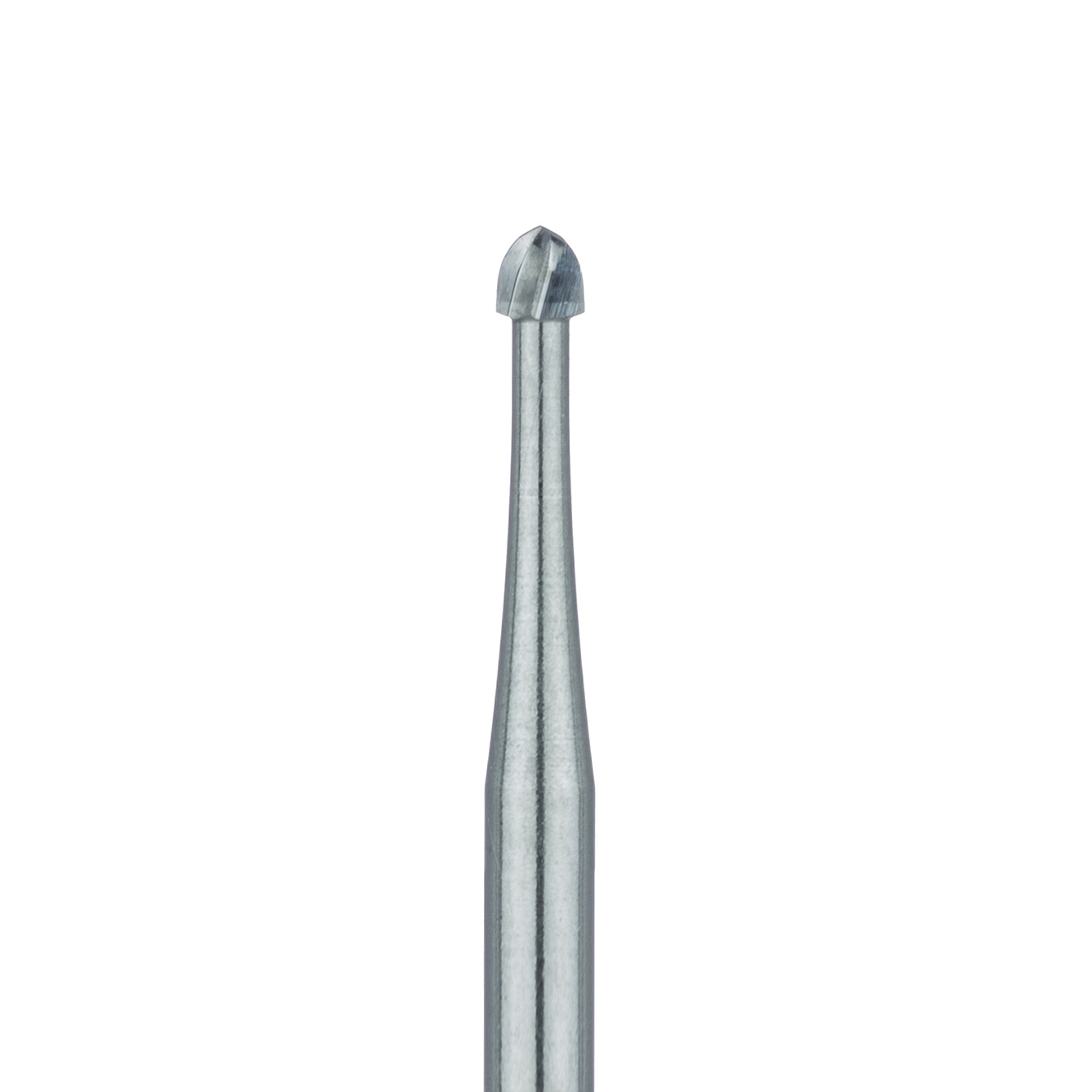
Carbide instrument
C1.FG.014
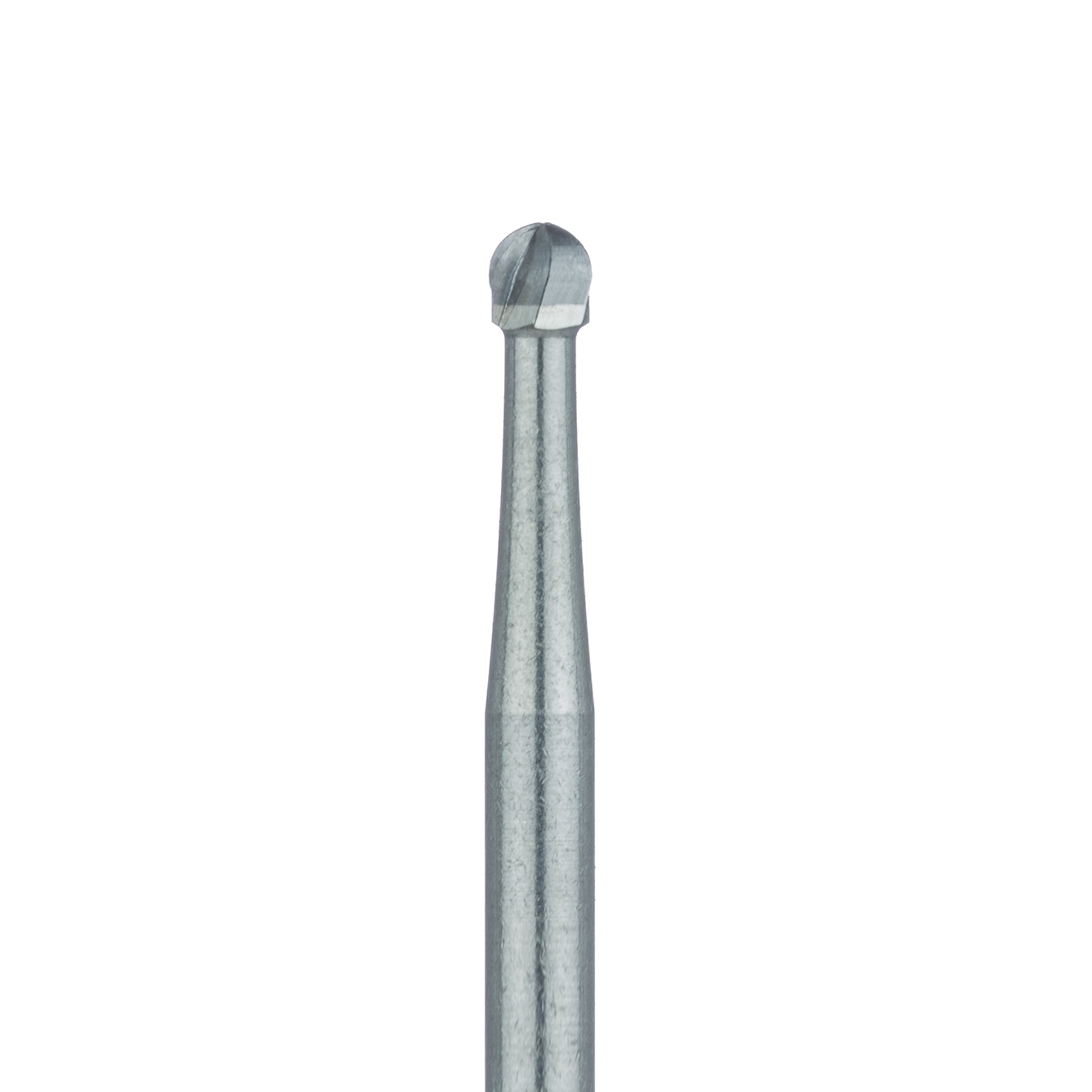
Carbide instrument
C1.FG.016
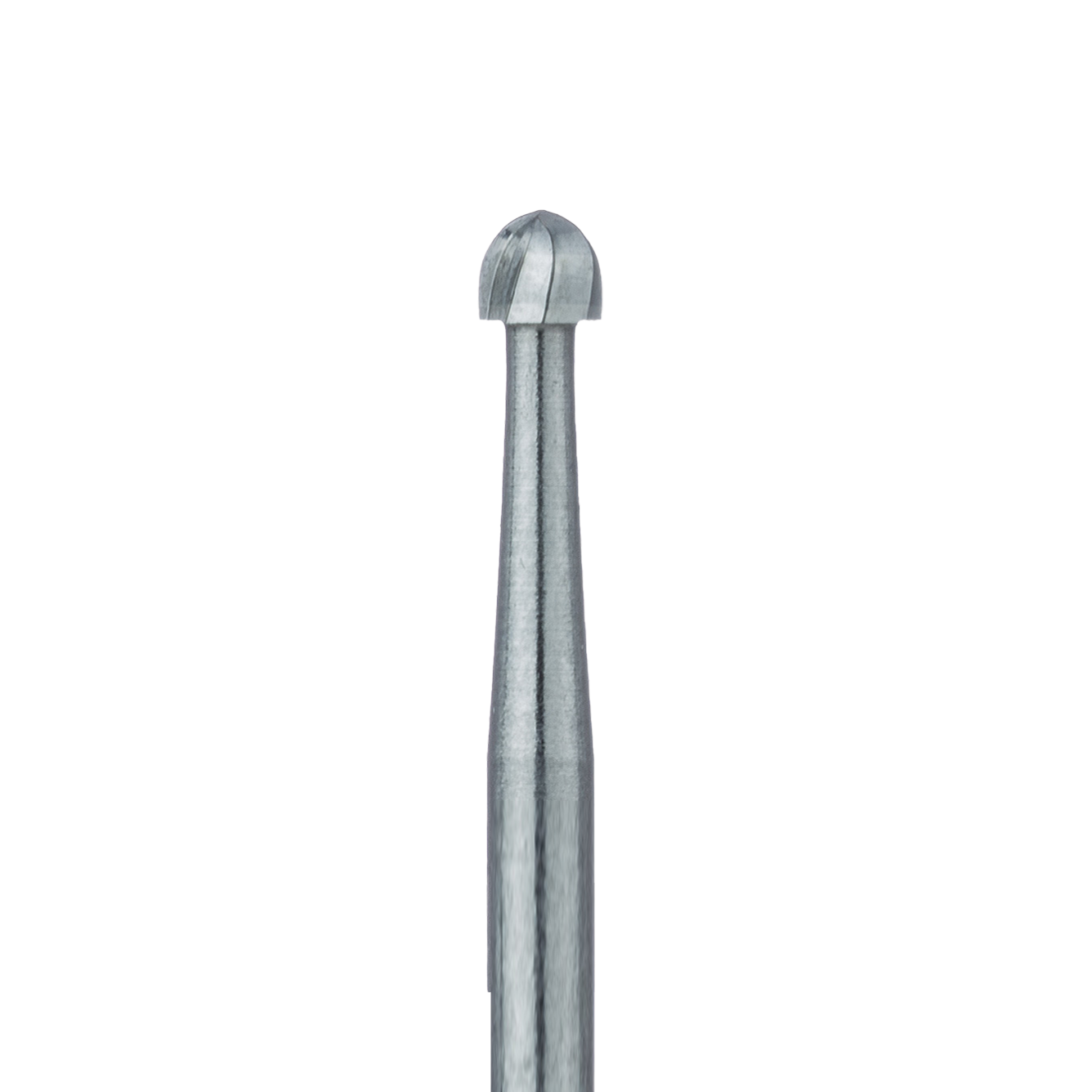
Carbide instrument
C1.FG.018
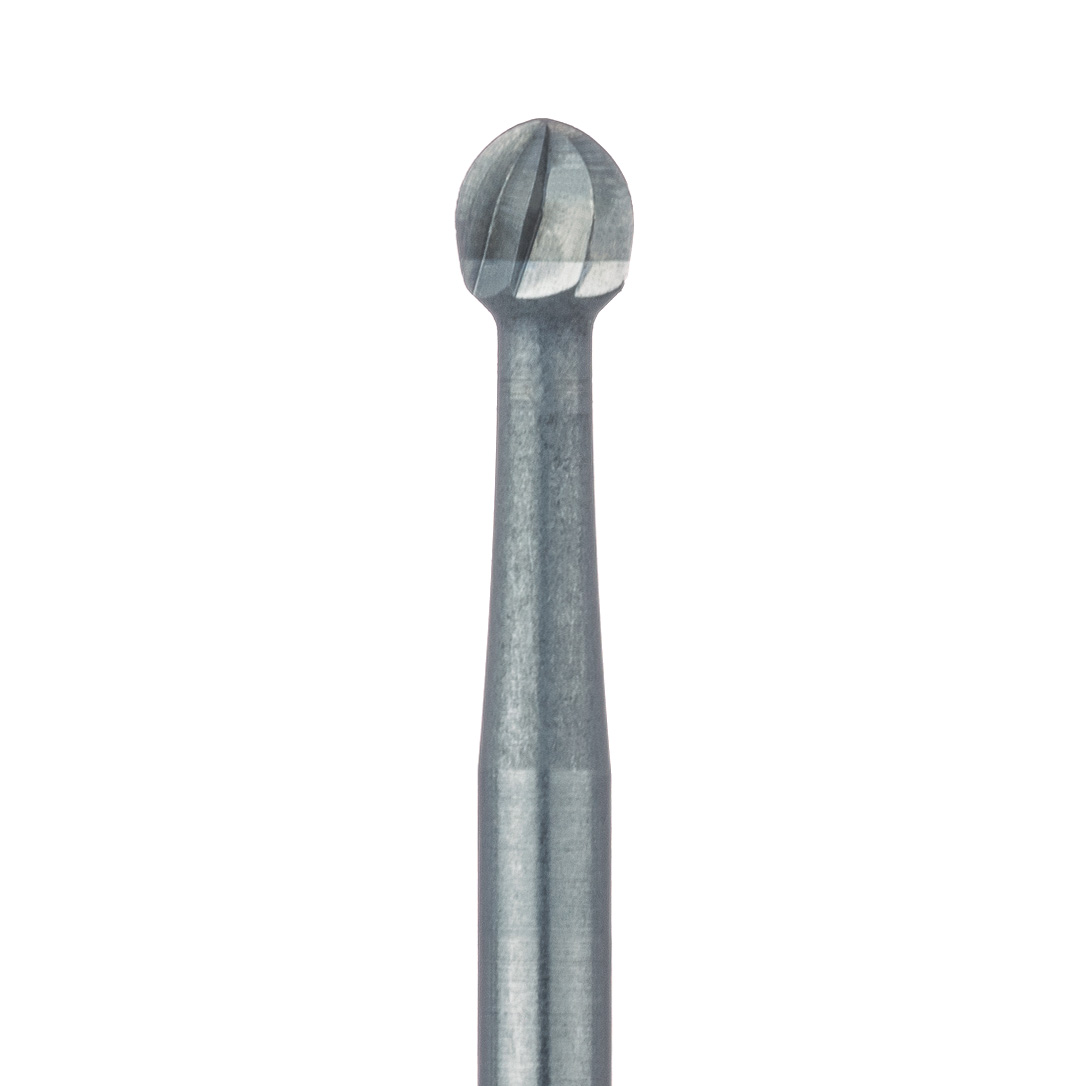
Carbide instrument
C1.FG.021
Carbide instruments to expose the tooth roots and remove the lateral alveolar bone with medium and large dogs.
Removal of the buccal bone plate using the appropriate round bur. For large dogs, it is essential to use the FGXL extended length to get access to long tooth roots and prevent soft tissue injury caused by the handpiece head.
Carbide instrument
C1.FGXL.014
Carbide instrument
C1.FGXL.016
Carbide instrument
C1.FGXL.018
Carbide instrument
C1.FGXL.021
Step 2
ROOT DIVISION (ODONTOTOMY)
CARBIDE FISSURE BURS
Carbide instruments to complete the separation of multirooted teeth to enable a fracture-free extraction of the individual roots.
Position the fissure bur at the furcation. Cleanly section the crown through to the interradicular space. The extra-long working part of the C33L models prevents the bur from jamming in large crowns.
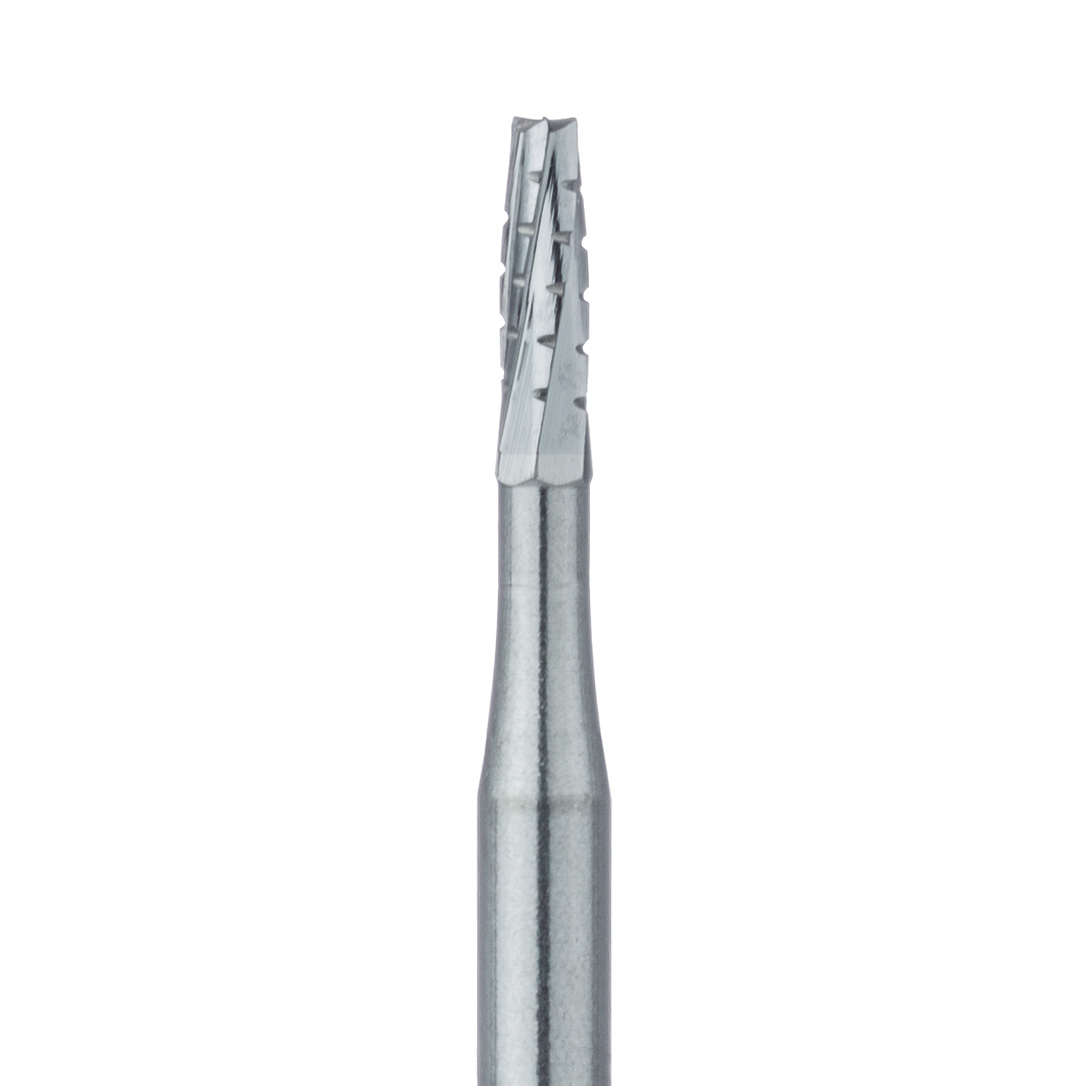
Carbide instrument
C33.FG.012
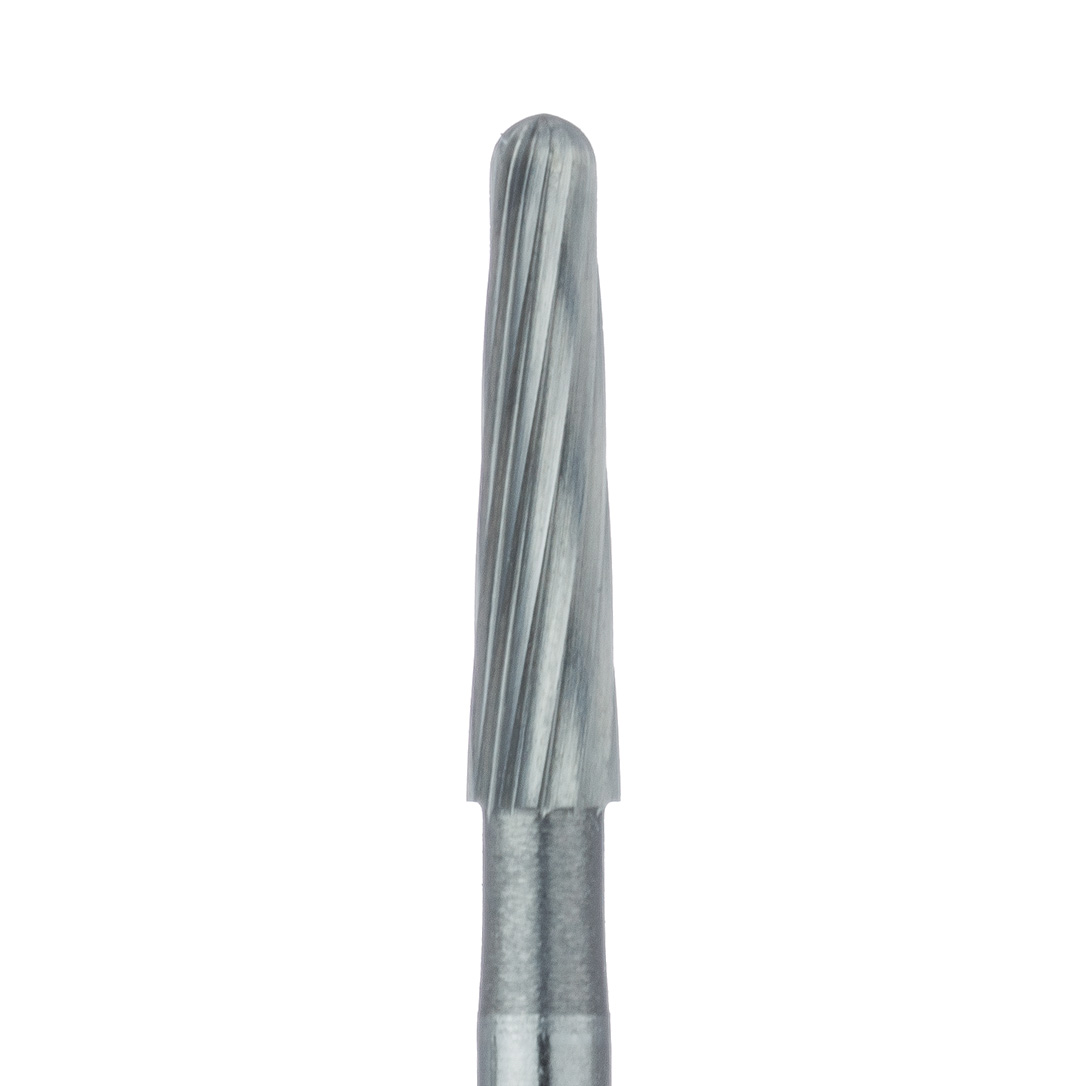
Carbide instrument
C375R.FG.016
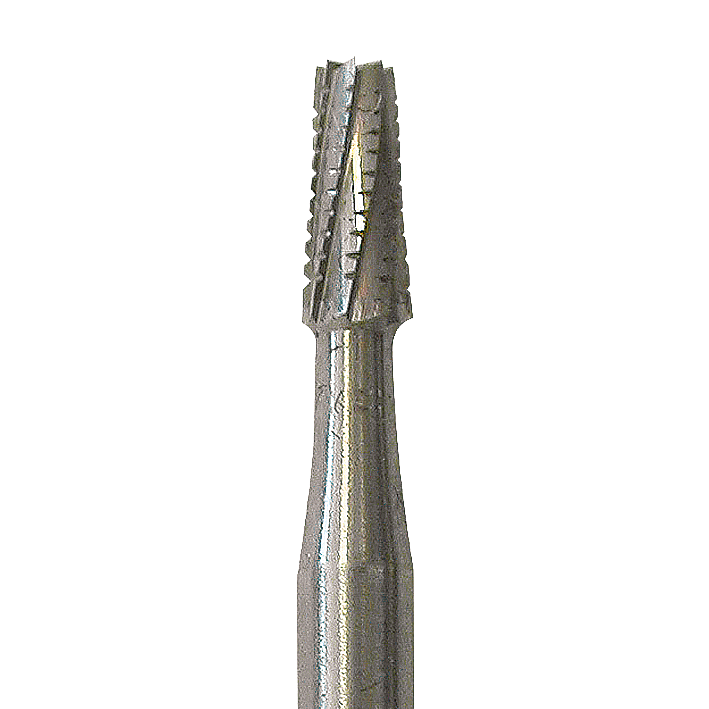
Carbide instrument
C33.FGXL.006

Carbide instrument C33L.FGXL.012
Diamond instrument to get access to deep or fractured tooth roots with preservation of adjacent structures.
Prepare the access parallel to the tooth axis. The rounded Torpedo tip ensures safe guidance and prevents lateral damage of adjacent tooth roots or perforation of nasal cavity and mandibular canal.
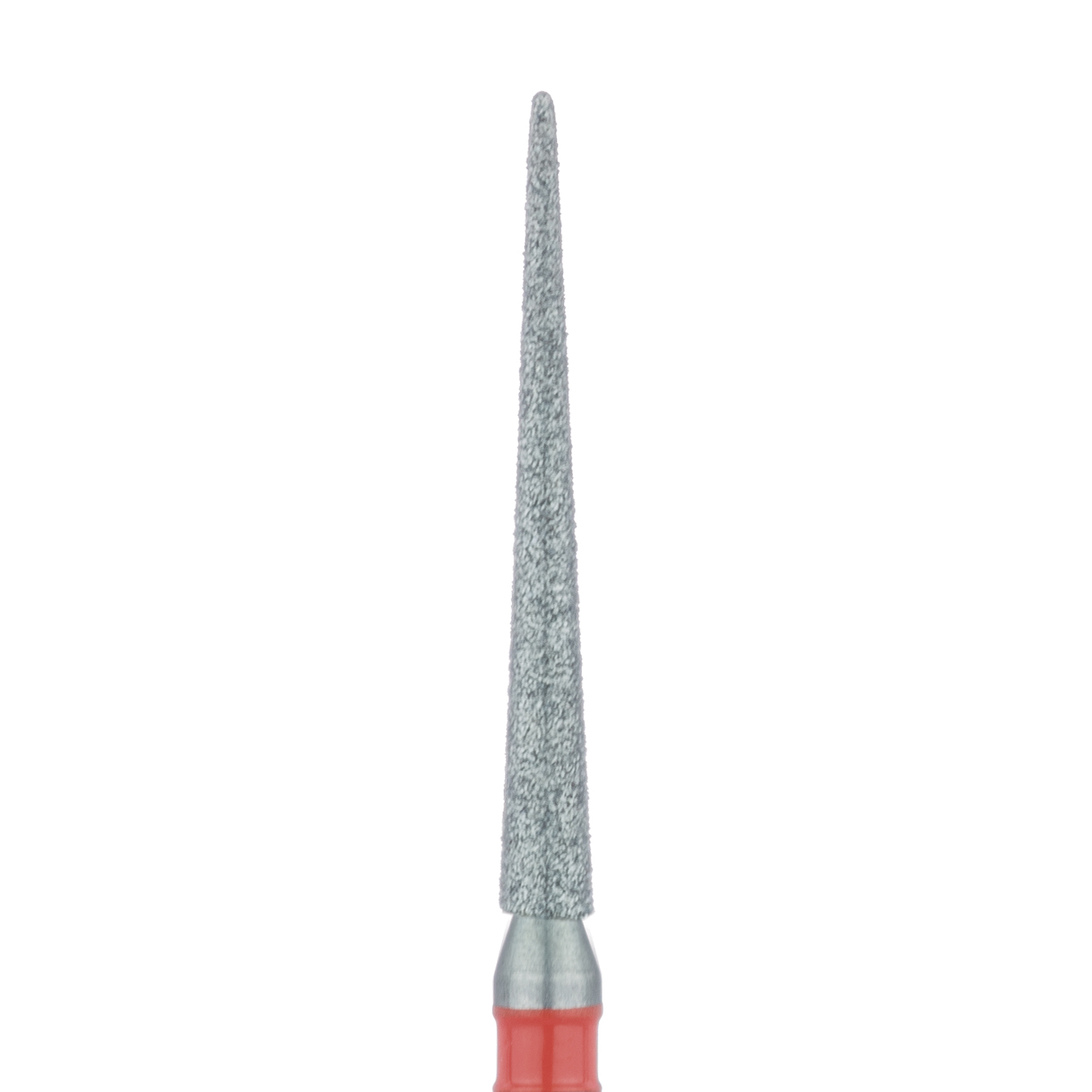
Diamond instrument
859L.FG.014
Step 4
SUBGINGIVAL CLEANING & FINISHING
DIAMOND INSTRUMENTS
Diamond instrument to smooth rough bone edges (Alveoplasty) to ensure uncomplicated wound healing.
Smoothing bony margins of the alveolar rim prior to wound closure to preserve tension free closure and avoid irritation of the mucoperiosteal flap from underlying sharp bone edges
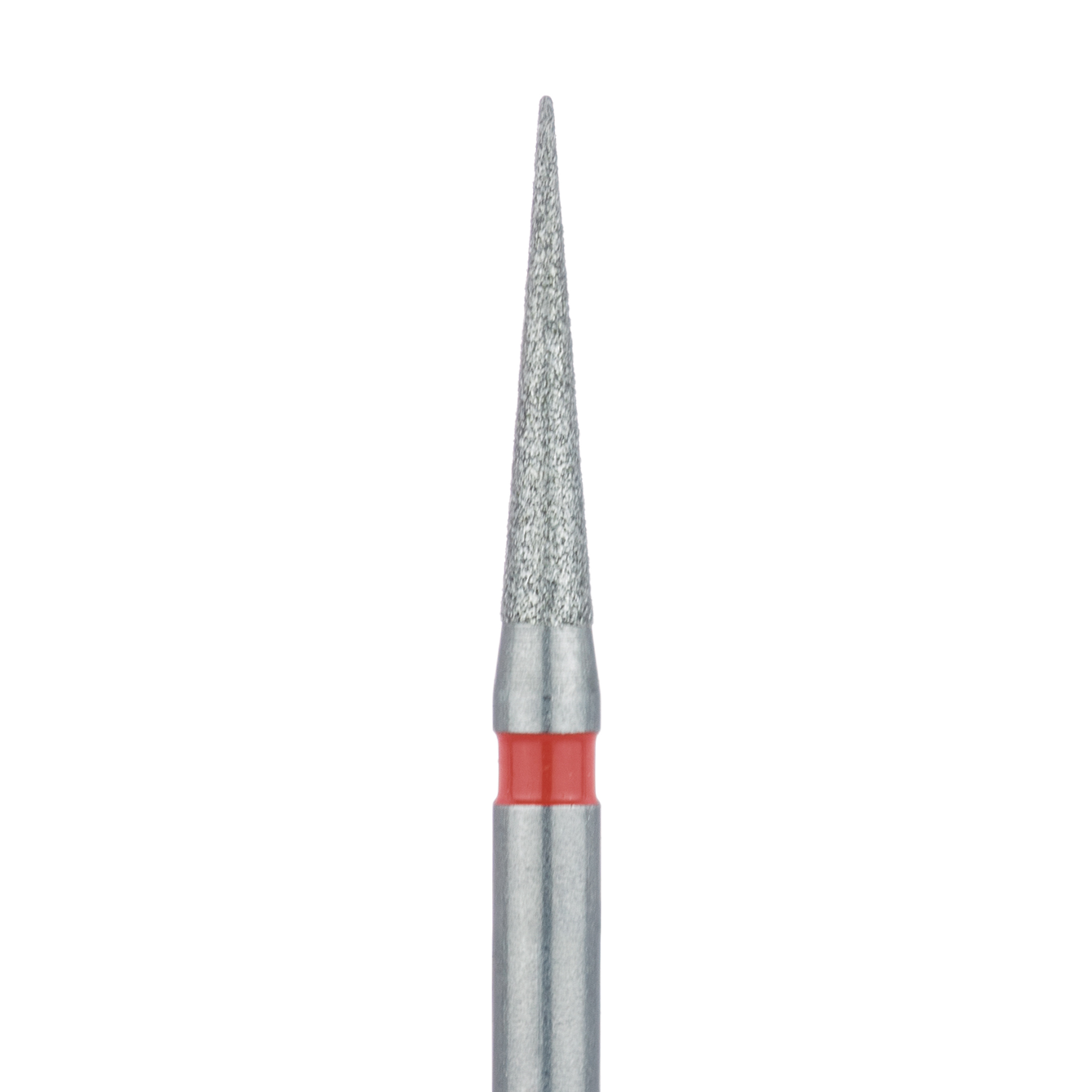
Diamond instrument
858F.FG.014